Education
Bridging learning gaps for rural children, empowering adult women with functional literacy, and building the infrastructure that enables communities to invest in their own futures.
Education as the Foundation of Every Other Change
Education is the cornerstone of social and economic development: it empowers individuals to gain knowledge, build skills, and participate meaningfully in society. In rural Odisha, however, educational opportunity is unevenly distributed. Inadequate infrastructure, financial constraints, and deep-rooted socio-cultural barriers, particularly for women and girls, continue to limit access.
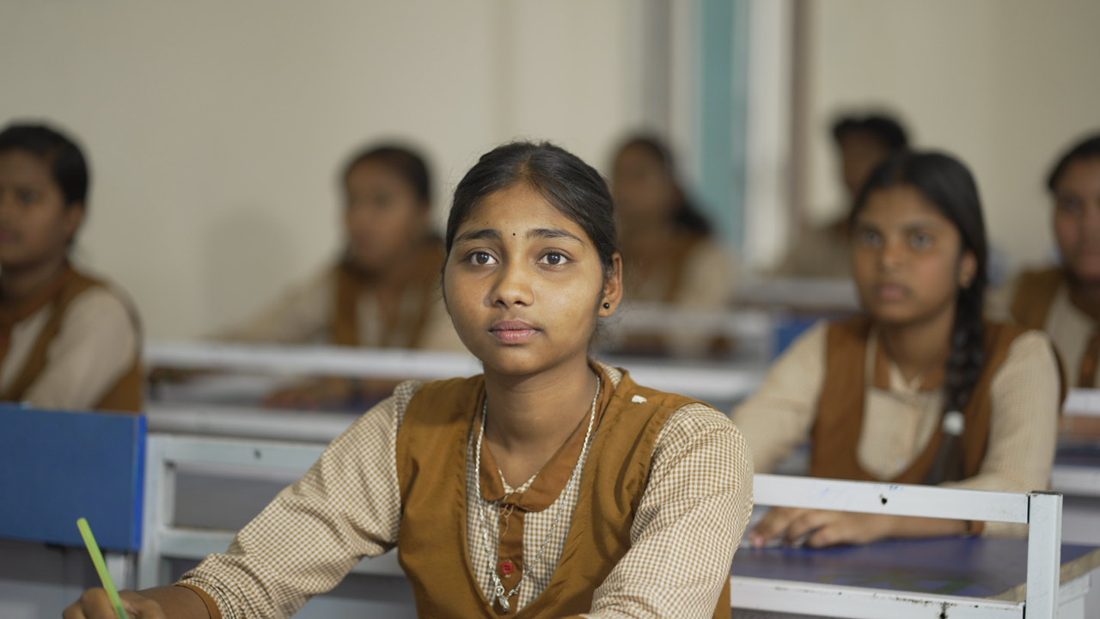
Reaching Children in Odisha's Remotest Villages
MSF's education work reaches children through the Integrated Village Development Programme (IVDP), a holistic rural development model where education is woven into every dimension of community support.
Under IVDP, MSF has improved school environments across underserved villages, supplied students with essential learning materials, and conducted structured capacity-building sessions for teachers to strengthen teaching methods. By working simultaneously with parents and community leaders to shift attitudes around education, the programme has driven measurable increases in school enrolment and significant reductions in dropout rates.
Additionally, MSF integrates skill development for artisans working in traditional crafts such as Sabai grass weaving, jute work, and embroidery, linking livelihood education with income generation. When learning has a direct economic return, communities invest in it differently.
Women Literacy Centres
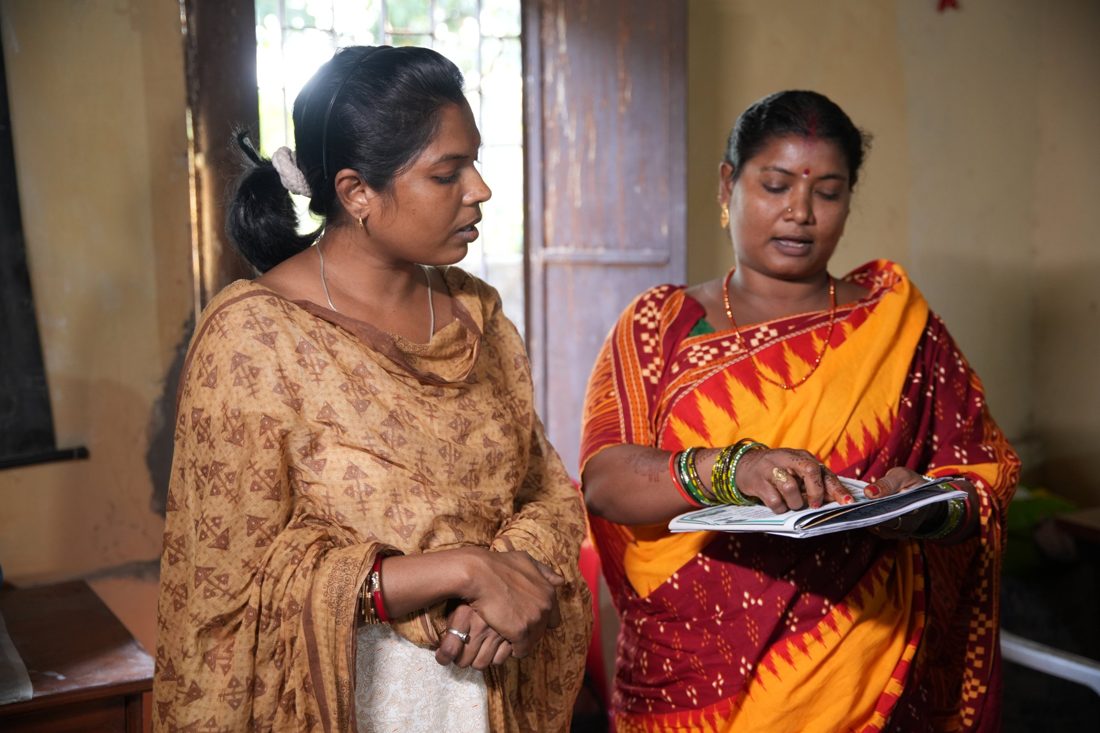
For adult women, Mahashakti Foundation runs targeted, community-embedded interventions. Our Women Literacy Centres (WLC), implemented in partnership with TPCODL-CSR, are set up in Bhubaneswar's urban slums to provide functional literacy to adult women who have never had access to formal education. The centres train educators called Preraks, who deliver structured literacy modules using digital tools, helping women develop reading skills, numerical ability, and financial management competencies that directly change how they navigate daily life.
What We Work On
Ongoing Projects

Integrated Village Development Programme
IVDP is a multi-dimensional initiative that treats education not as an isolated intervention but as a thread woven through holistic village development. It recognises that a child's ability to stay in school and learn effectively is inseparable from her family's income security, her village's infrastructure, and her teachers' preparedness.
- School environments upgraded with physical infrastructure improvements
- Students supplied with learning materials across operational geographies
- Teacher capacity-building sessions on pedagogy and inclusive methodology
- Community awareness drives contributing to higher enrolment and lower dropout rates

Empowering Women Through Literacy
The Women Literacy Centre (WLC) programme, implemented with support from TPCODL-CSR, operates in urban slum communities of Bhubaneswar. It addresses the reality that illiteracy has a profound, compounding impact on every aspect of a woman's life: her health decisions, her economic participation, her ability to advocate for her children, and her standing within her household and community.
- Over 1,000 women reached through functional literacy modules
- Local women trained as Preraks, delivering digital-enabled literacy sessions
- Curriculum covers reading, writing, numerical skills, and financial management
- Centres embedded in slum communities for accessibility and sustained attendance
Partner With Us on Education
From urban slum literacy to rural school infrastructure, MSF has the community trust, field systems, and implementation experience to co-design education programmes that deliver measurable outcomes at the last mile.