What Sets Us Apart

Four capabilities most NGOs don't have — built over 20 years in the field

From farmer collectives that export internationally, to artisan clusters reviving 4,000-year-old crafts, to last-mile entitlement delivery and climate-smart farming — here is what makes Mahashakti Foundation's approach distinctive, backed by the numbers.

1

FPO Cluster Promotion

NABARD Central Sector Scheme · 38 FPOs across 5 districts · ₹46.40 Crore turnover in 2025–26
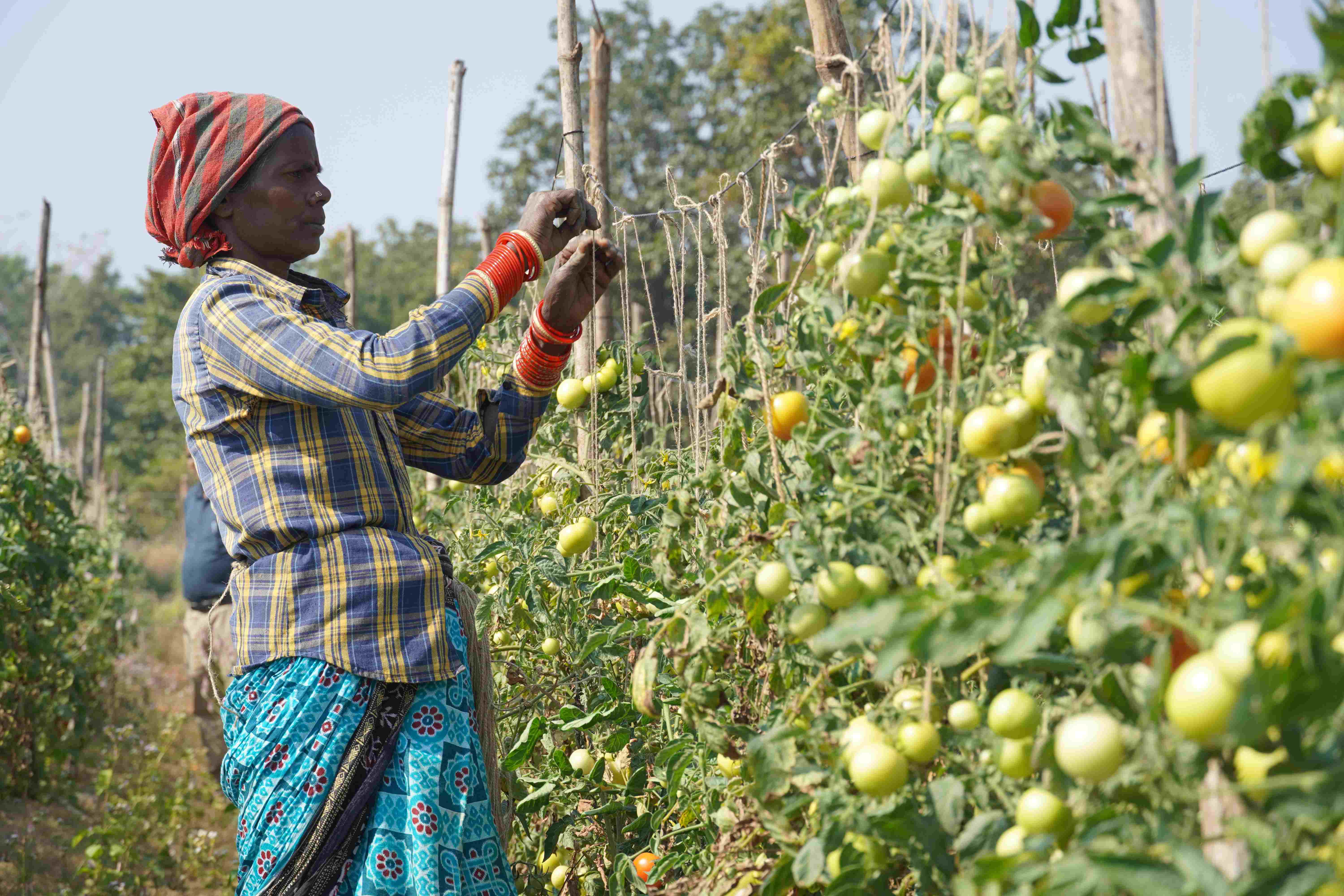
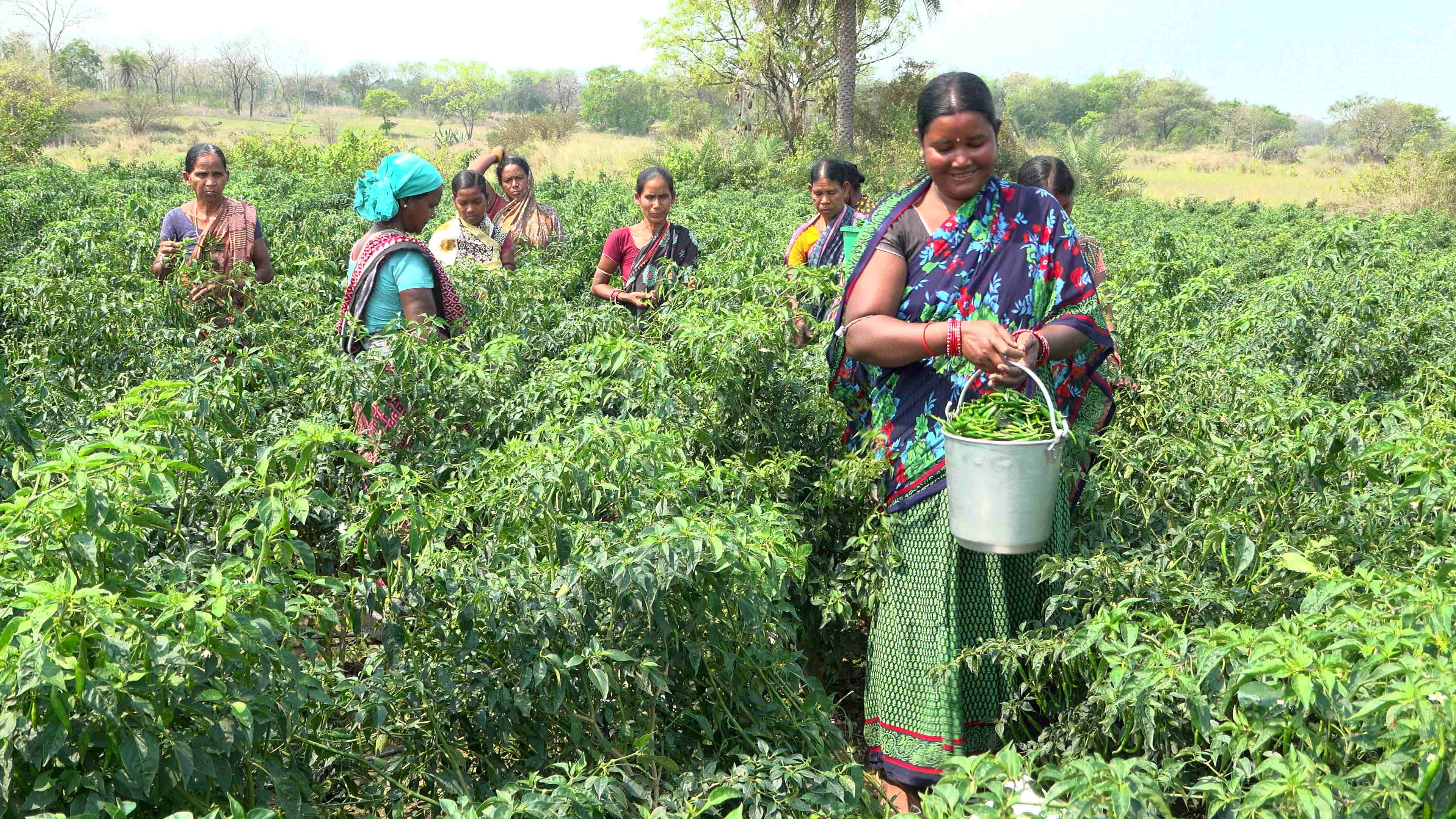
From fragmented fields to a collective enterprise A farmer tends tomato vines in an FPO cluster — the same model that took Agrahichasi FPO from ₹11 lakh to ₹73 lakh in one year.
38
FPOs across 5 districts
26,118
Farmer shareholders
₹46.40 Cr
Business turnover, 2025–26
2,502
Villages covered

Why this matters

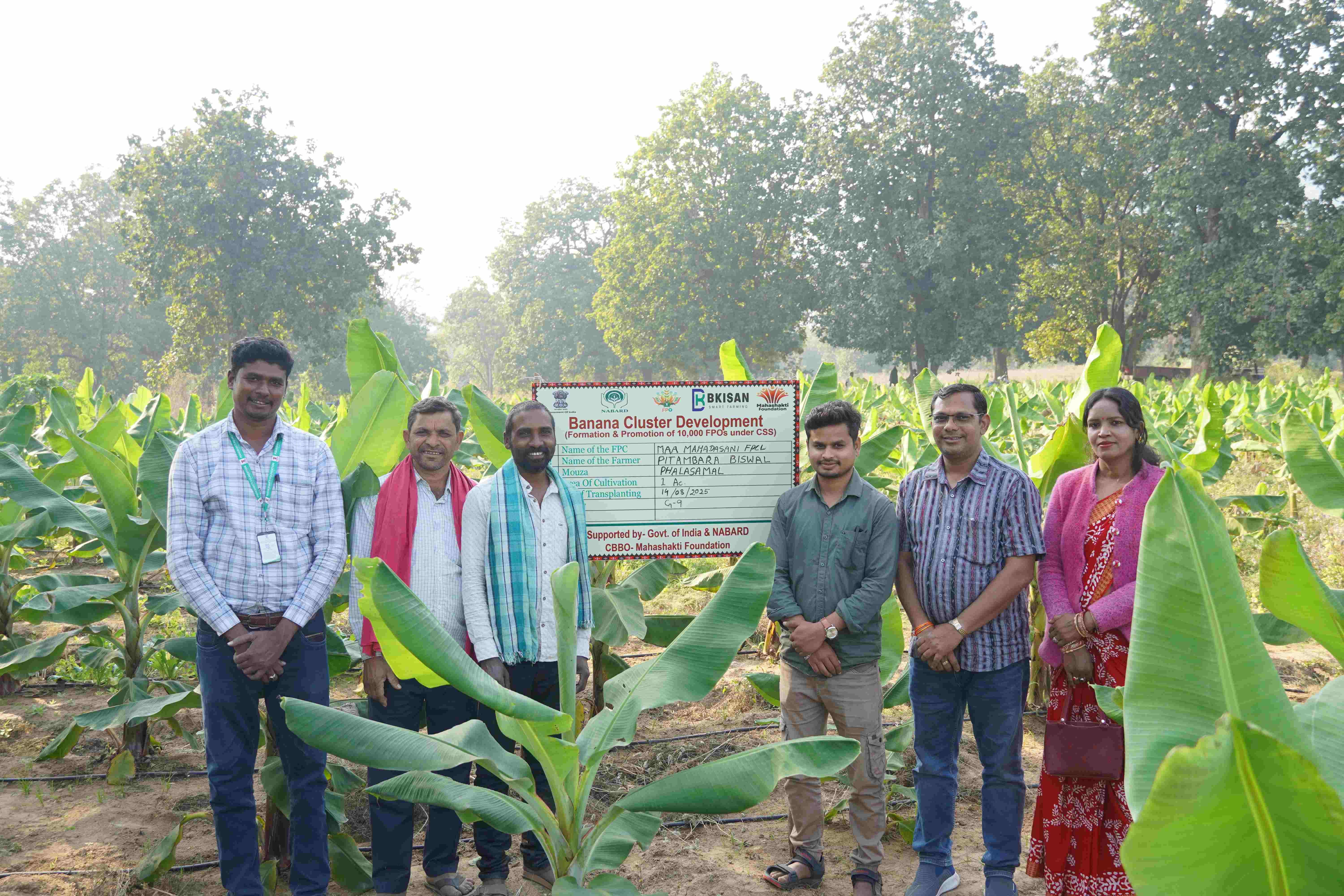
Mahashakti is one of a select few NGOs in Odisha designated as a Cluster-Based Business Organisation (CBBO) under the Government of India's scheme to form and promote 10,000 Farmer Producer Organisations. Our 7-year mandate runs 38 FPOs across 5 districts — from registration through to international export.

It addresses agriculture's core problem: 86% of Indian farmers are small or marginal, buying inputs at retail and selling at farm-gate, with no collective bargaining power.

What we deliver

  • Commercial lifecycle, not just registration — legal compliance, governance training, and financial systems run continuously for 7 years per FPO.
  • National and global market access — 3,122 quintals of pigeon pea and 400 quintals of green gram sold via NAFED; 20 MT each of banana and mango exported internationally through Palladium.
  • Infrastructure leverage — ₹6.20 Cr in solar cold rooms, drones, processing units and nurseries secured in 2025–26 alone (a 170% increase).
Marigold cluster harvest, joint FPO production
Field-level cultivation under FPO guidance
FPO field visit and governance review

The Agrahichasi story: a Kalahandi FPO grew from ₹11 lakh to ₹73 lakh turnover in a single year — 200+ farmers, including 45 women, growing vegetables for markets across Odisha. Prime Minister Narendra Modi cited it on Mann Ki Baat as a model of rural transformation.

"Agrahichasi FPO has transformed Kalahandi into a thriving vegetable hub. Once marked by migration, the region now boasts over 200 farmers including 45 women, with turnover exceeding ₹1.5 crore."

Shri Narendra Modi, Prime Minister of India — Mann Ki Baat
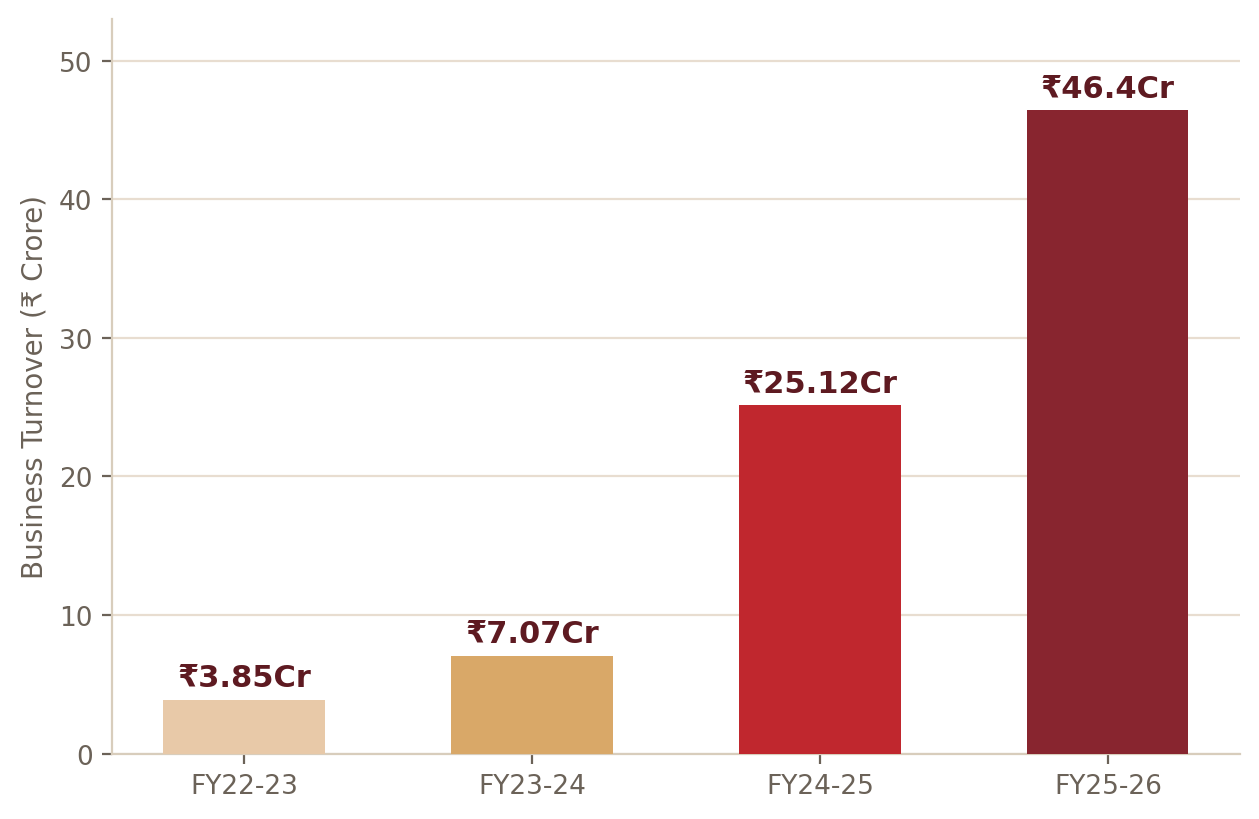
FPO business turnover: a 12× increase over three years
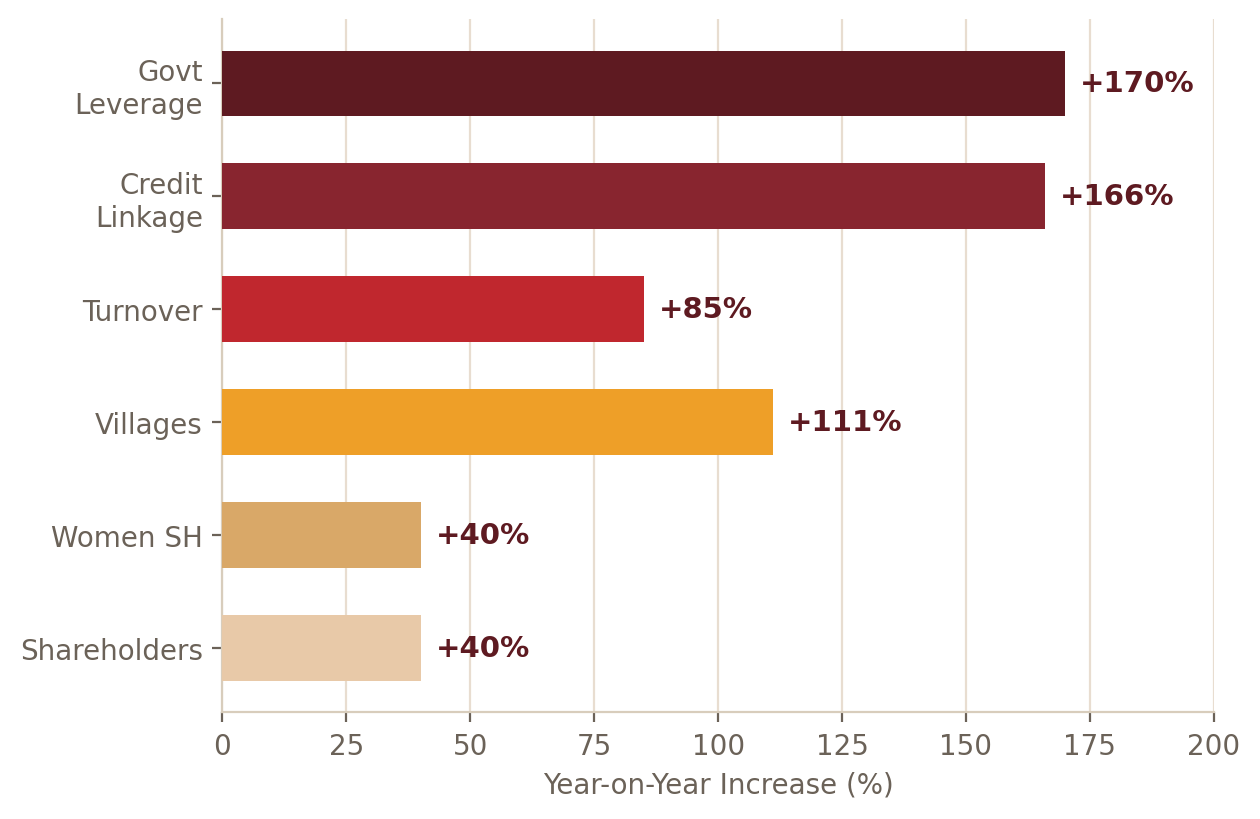
2025–26 vs 2024–25: growth across every key metric

Difference

Most NGOs facilitate FPO registration and step back. We run the full seven-year commercial lifecycle — from the first farmer meeting to the first export order — under a NABARD accountability framework with measurable business outcomes.
2

Revival of Art, Craft & Culture of Odisha

4 active programmes · 800+ artisans · Dhokra · Saura · Pattachitra · Coir · Handloom · Applique

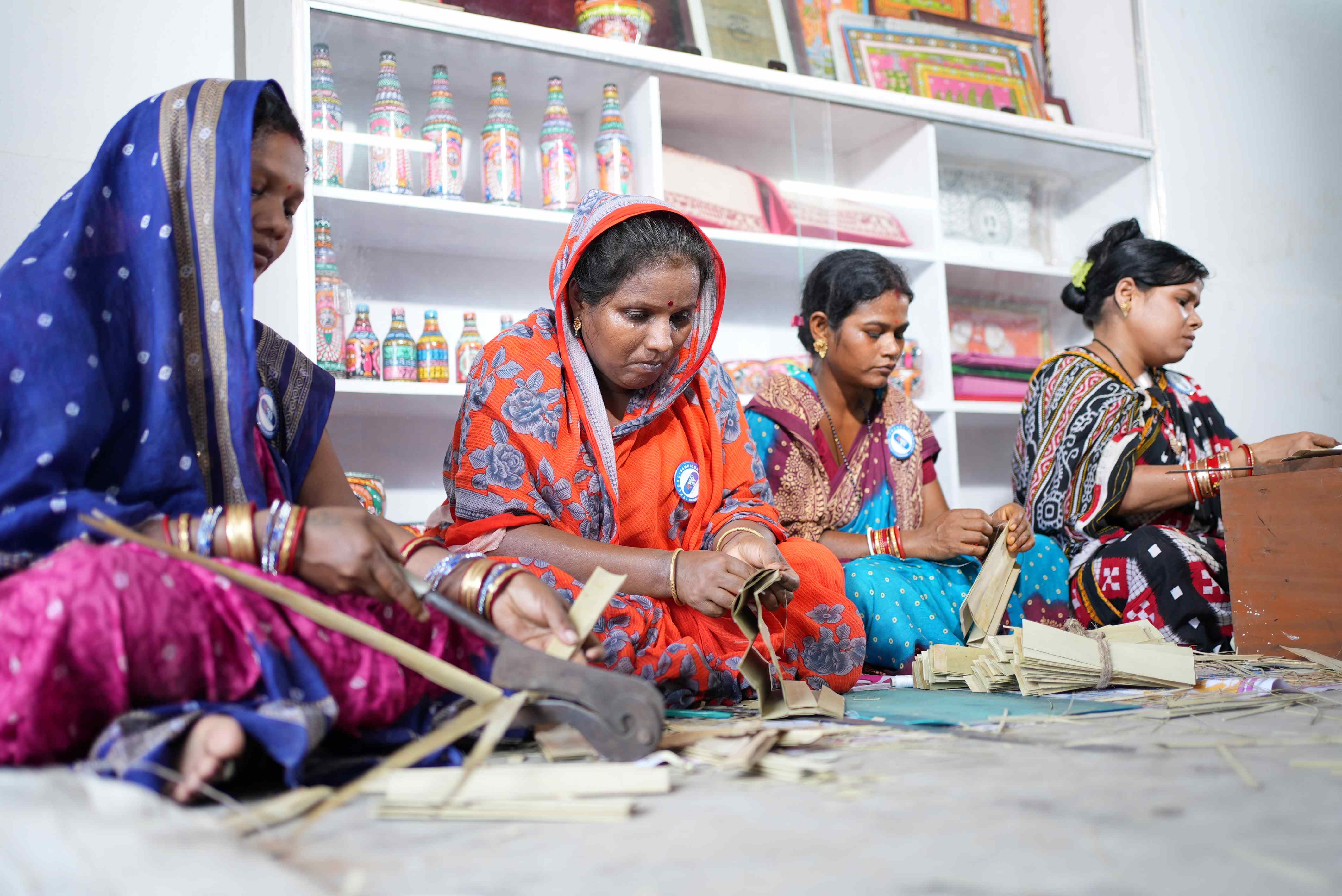
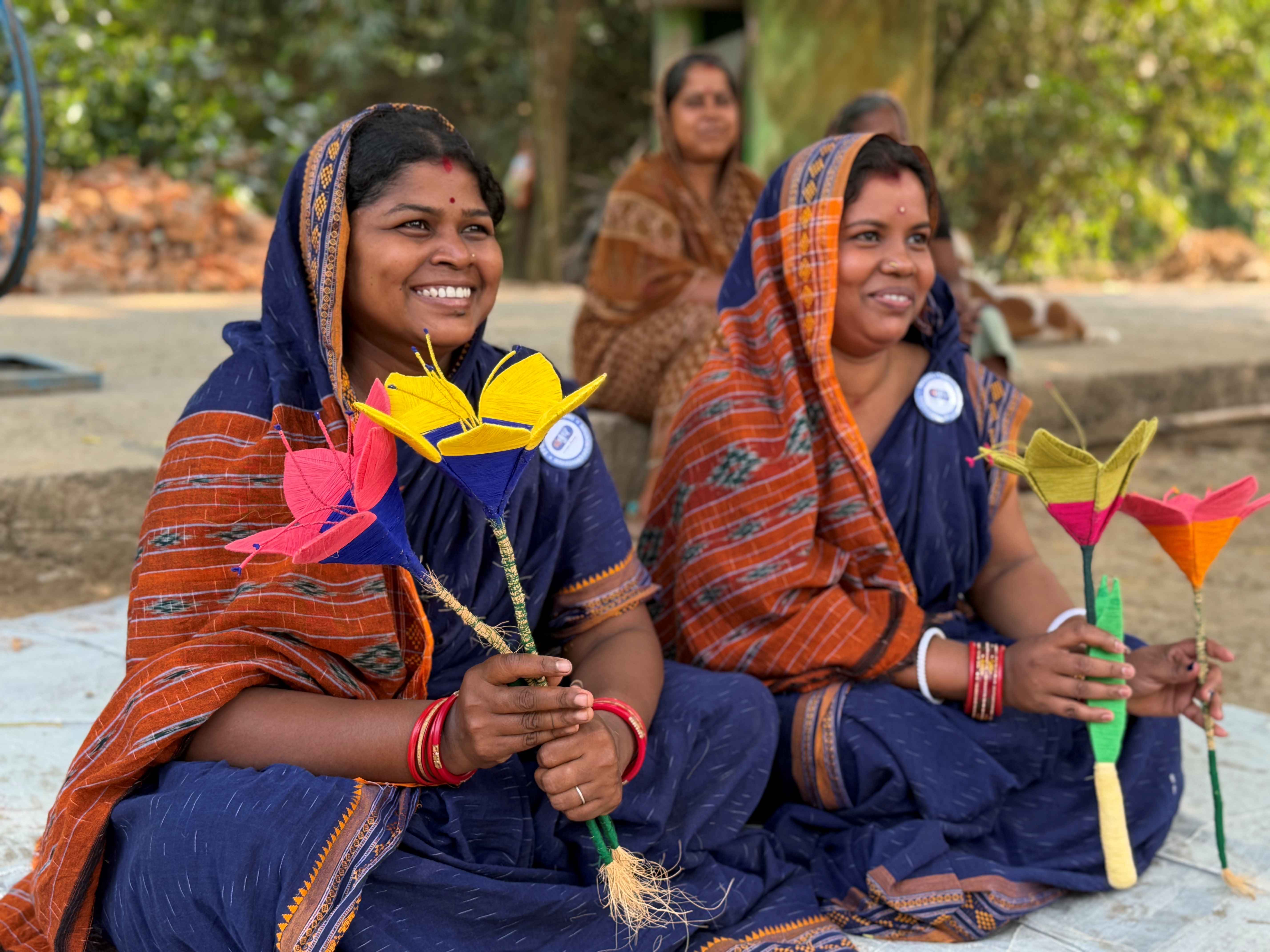
Heritage made commercially viable Artisans showcase handcrafted Saura-art flowers — one of six craft traditions revived as dignified, income-generating enterprise.
800+
Artisans across 4 programmes
50%
Avg. income increase (Samriddhi)
31%
Income increase (YES Foundation)
₹4.07L
Subhalaxmi sales in 5 months

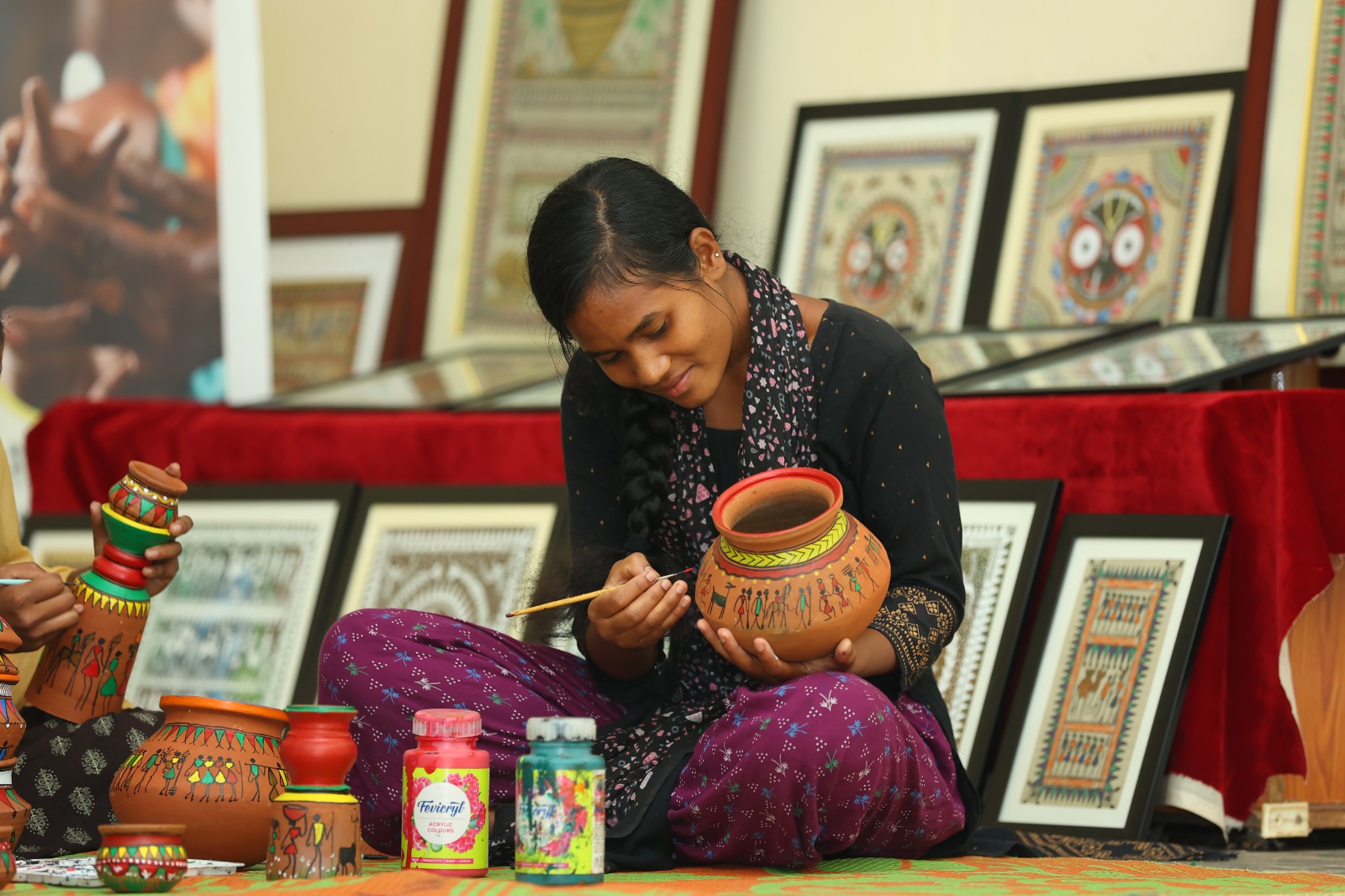
Odisha's tribal and rural communities are custodians of art traditions thousands of years old. Each faces the same crisis: ageing practitioners, low income, and youth migration. Our answer is economic, not archival — making heritage craft commercially competitive so the next generation chooses it as a livelihood.

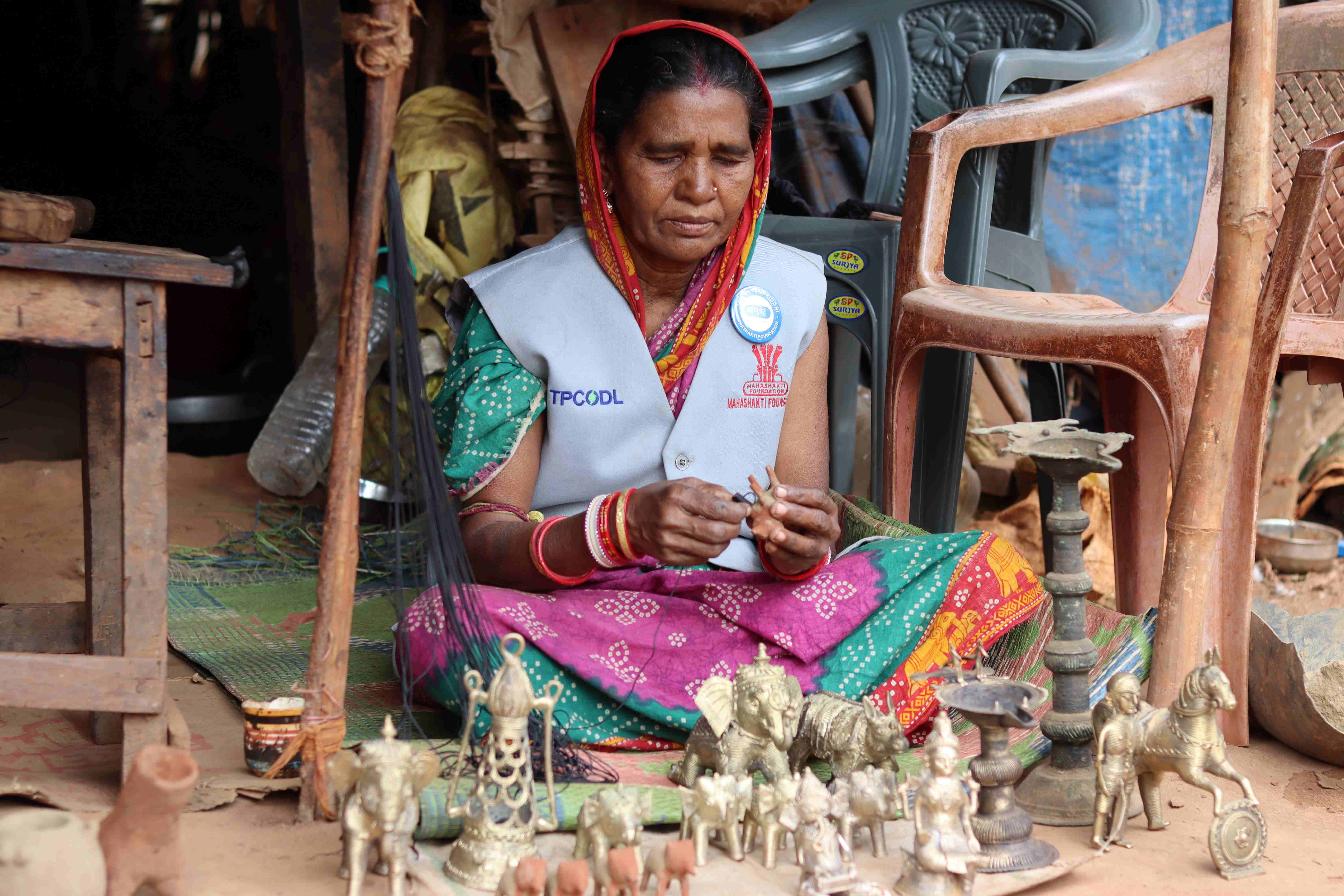
Dhokra metal casting, lost-wax technique
Handloom weaving in production
Hand-painted terracotta craft
ADIKALA
Vedanta · Kalahandi
Dhokra + Saura + Jute
172 artisans
SAMRIDDHI
TPCODL · Khurda, Puri, Dhenkanal
Pattachitra + Palm Leaf + Coir + Dhokra
380+ artisans
YES FOUNDATION
Balipatna, Khurda
Pattachitra + Palm Leaf + Applique
210 artisans
SUBHALAXMI
Vedanta · Jharsuguda
Handloom + Jute + Terracotta
41 artisans
Programme Income impact Recognition
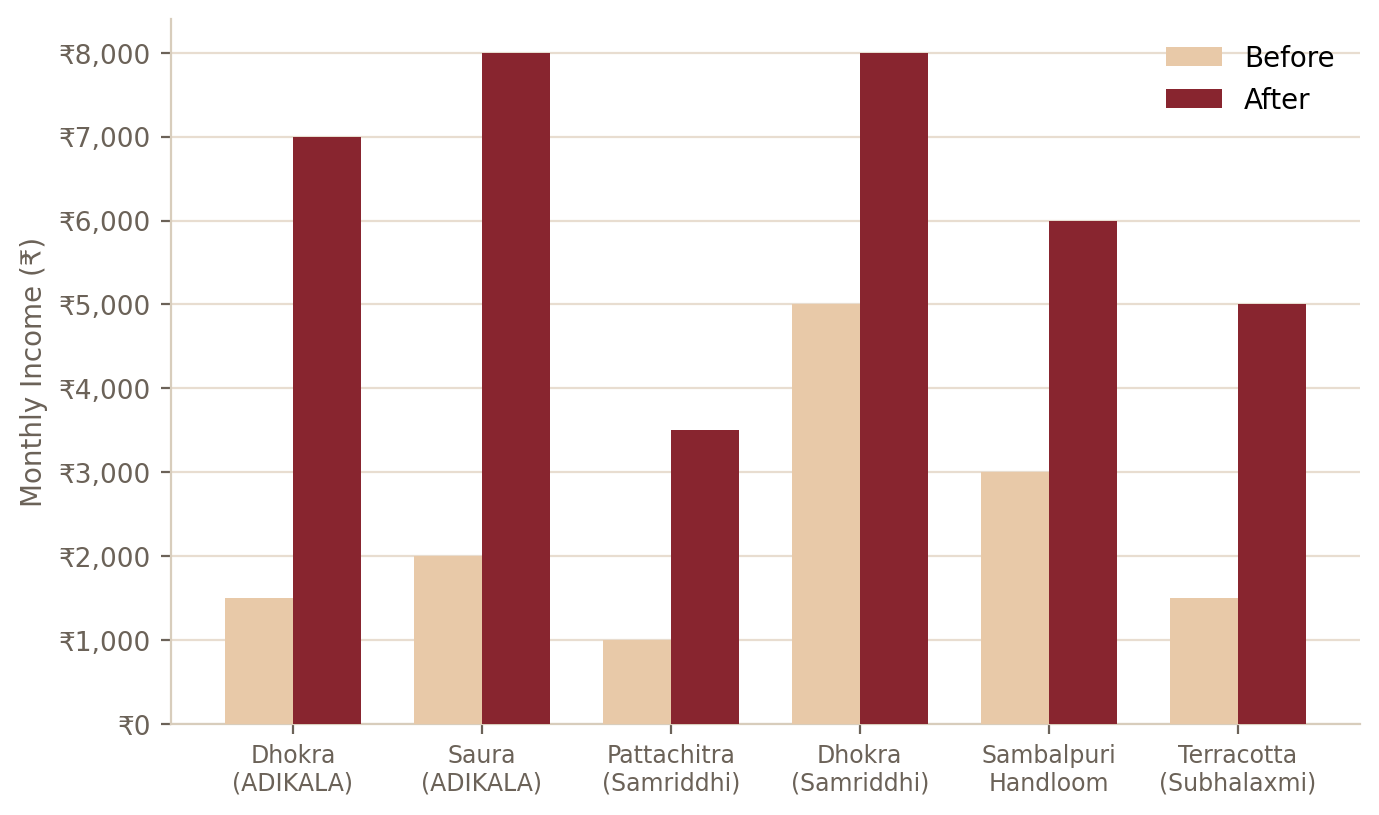
ADIKALA ₹1,500→₹7,000/mo (+367%) Gifted to CM Odisha; FT Summit Delhi
Samriddhi – Pattachitra 50% avg.; 34% saw 300% rise Utkalika, TRIFED, Fabindia
Samriddhi – Coir (new) New cluster, FY 2025–26 Samriddhi Gallery, Bhubaneswar
Samriddhi – Dhokra ₹5,000→₹8,000/mo (+60%) Land allotment for 40 families
YES Foundation 31% increase; ₹500/mo gain 53% new-entrant youth artisans
Subhalaxmi Udyogini ₹4,07,029 sales (5 months) CII Enterprise Odisha 2026; Kiran Bedi visit

"Art gave me independence. Training gave me craft. ADIKALA gave me a platform. Now I want to give all three to the women in my village."

Sasmita Majhi, Senior Saura Artist, Niyamgiri

Artisan income before vs. after, across all six craft clusters

Difference

We build complete ecosystems — infrastructure, training, design, governance and multi-channel markets — not one-off interventions. Our producer groups attend exhibitions independently; the Samriddhi Sales Gallery runs year-round. These systems work when we are not in the room.

3

Facilitating Entitlement for the Last Mile

Bridging the gap between India's most marginalised communities and their rightful government benefits

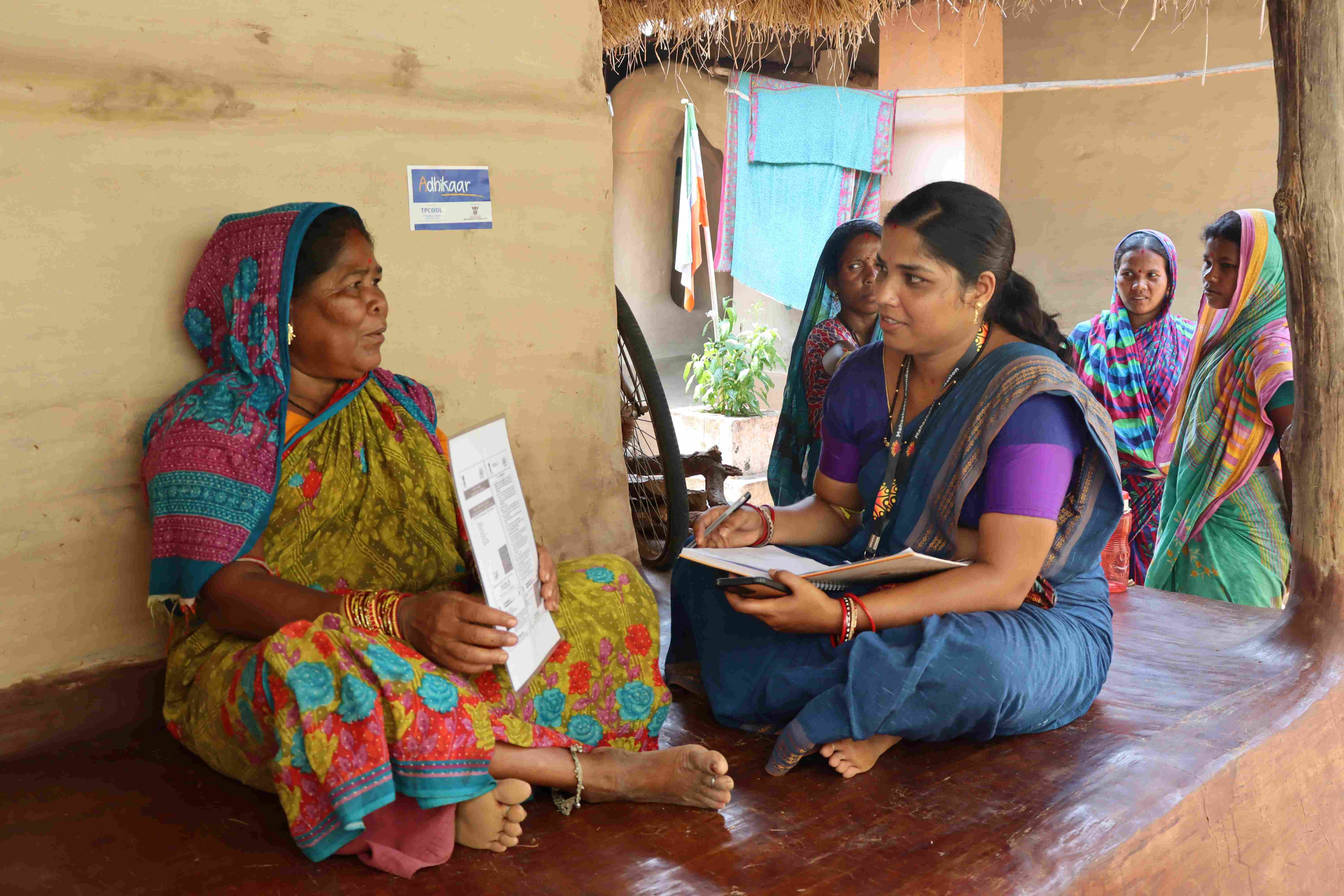
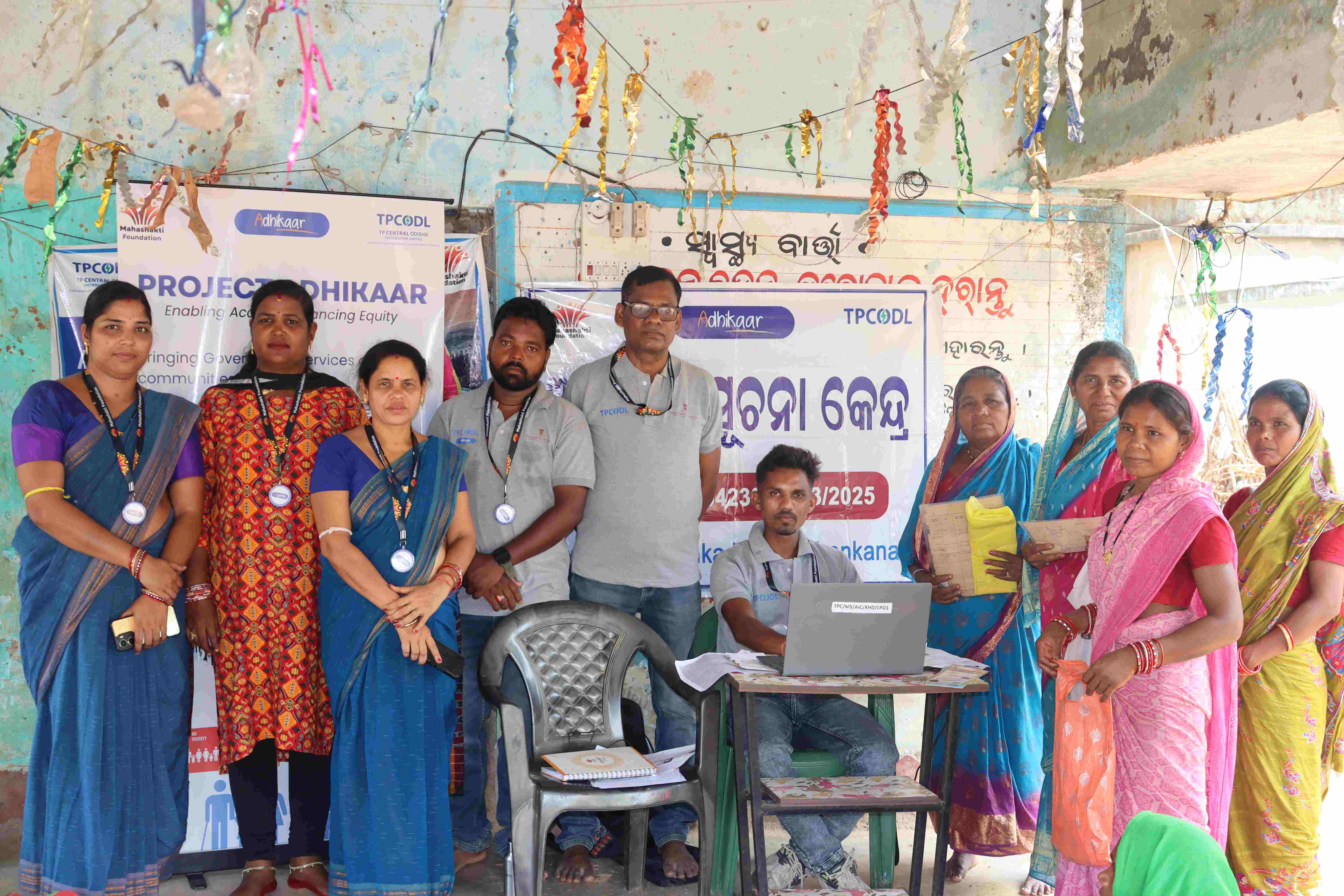
Meeting people where they are An Adhikaar Mitra records a beneficiary's details at her home — the everyday, unglamorous work behind 26,300+ lives reached.
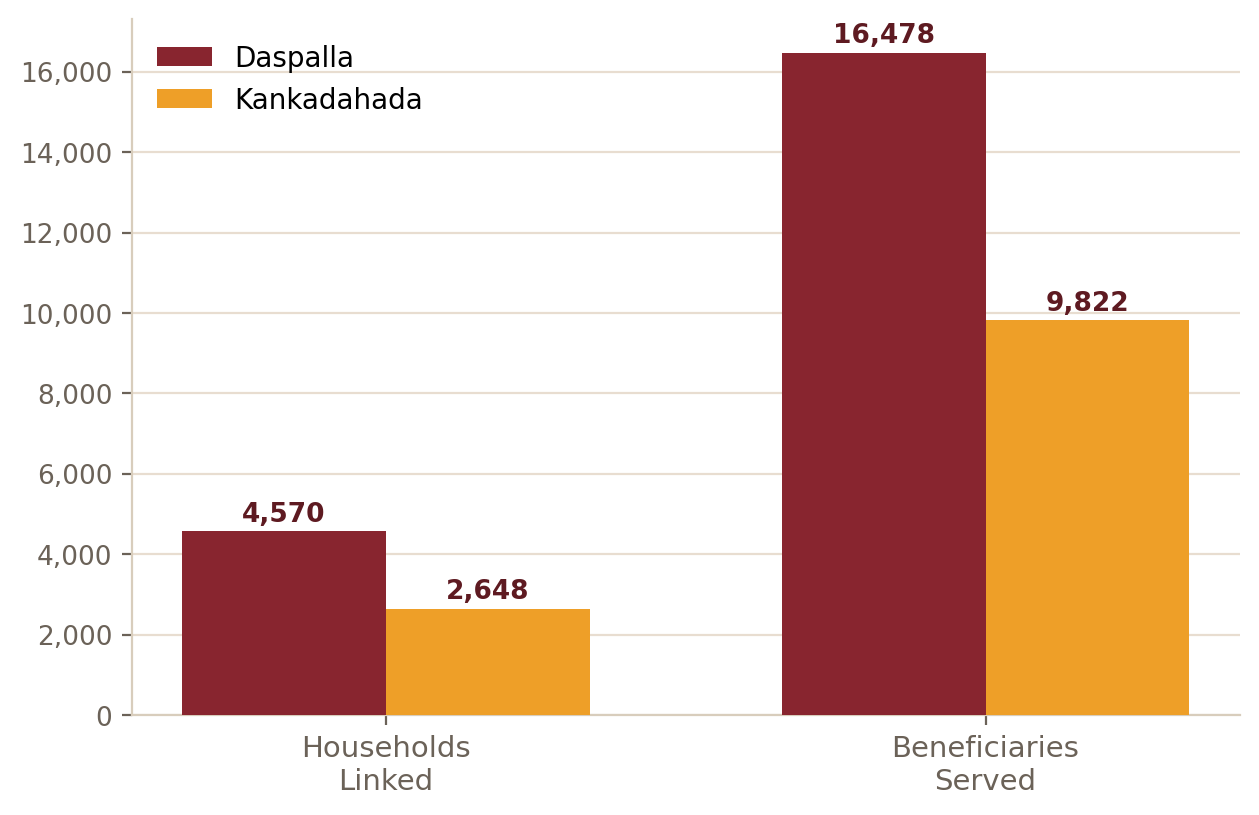
7,218+
Households linked to welfare schemes
26,300+
Total beneficiaries reached
1,500+
Critical documents rectified
15
GPs across 2 aspirational blocks

The problem

India's social protection system is extensive — pensions, insurance, health, housing, disability support. Its failure is one of last-mile delivery. Tribal communities 70–80 km from district headquarters, with no internet access and no experience navigating government offices, remain effectively excluded.

Project Adhikaar, supported by TPCODL, operates in two NITI Aayog Aspirational Blocks — Daspalla (Nayagarh) and Kankadahada (Dhenkanal) — to dismantle that wall.

How it works

  • Adhikaar Mitras — facilitators recruited from within the target Gram Panchayat, trusted neighbours who handle documentation end to end.
  • 688 PM Surya Ghar applications facilitated across both blocks for free solar electricity.
  • 5,000+ pension and insurance applications in Daspalla alone.
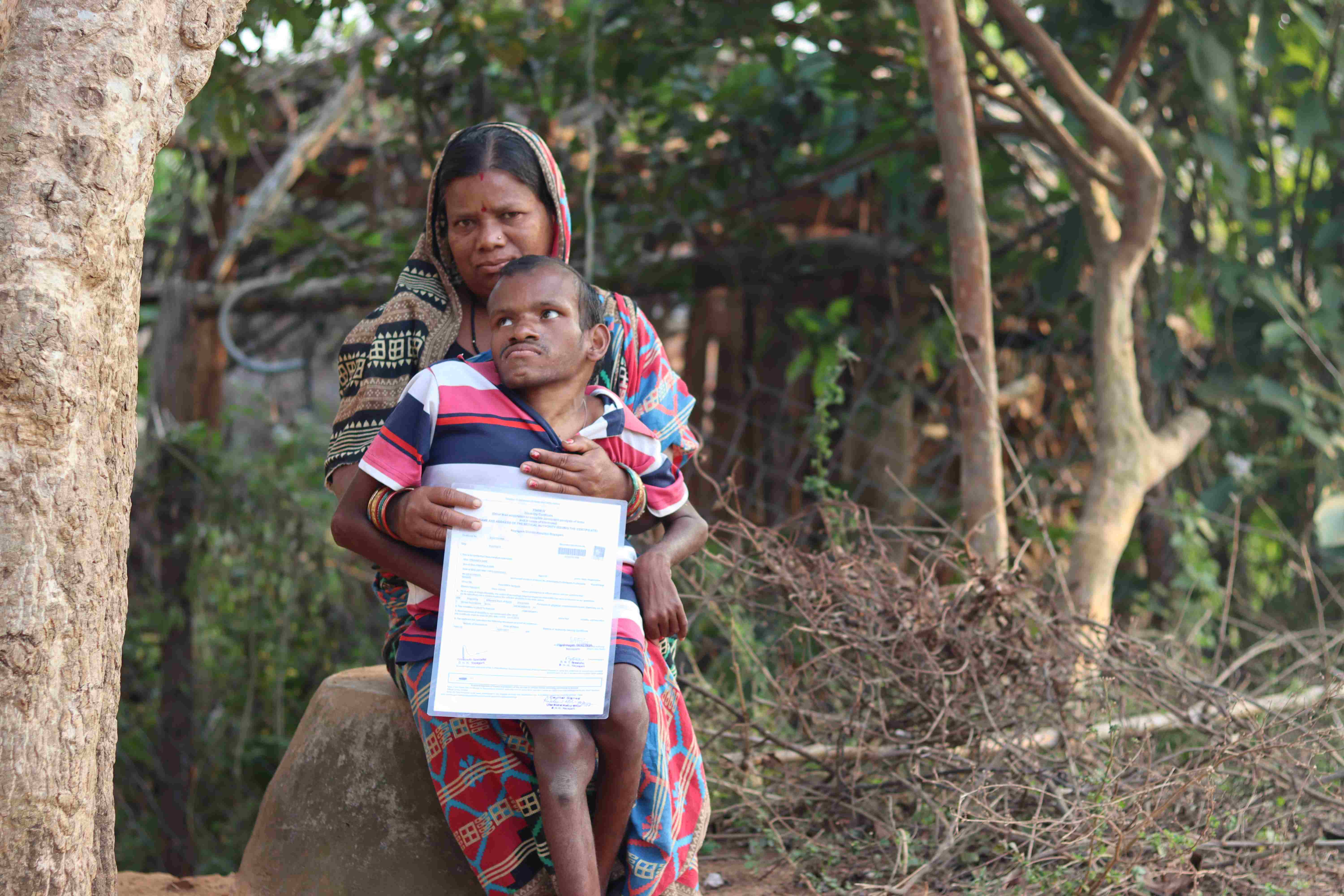
Beneficiaries with entitlement documents
Departmental coordination on-site
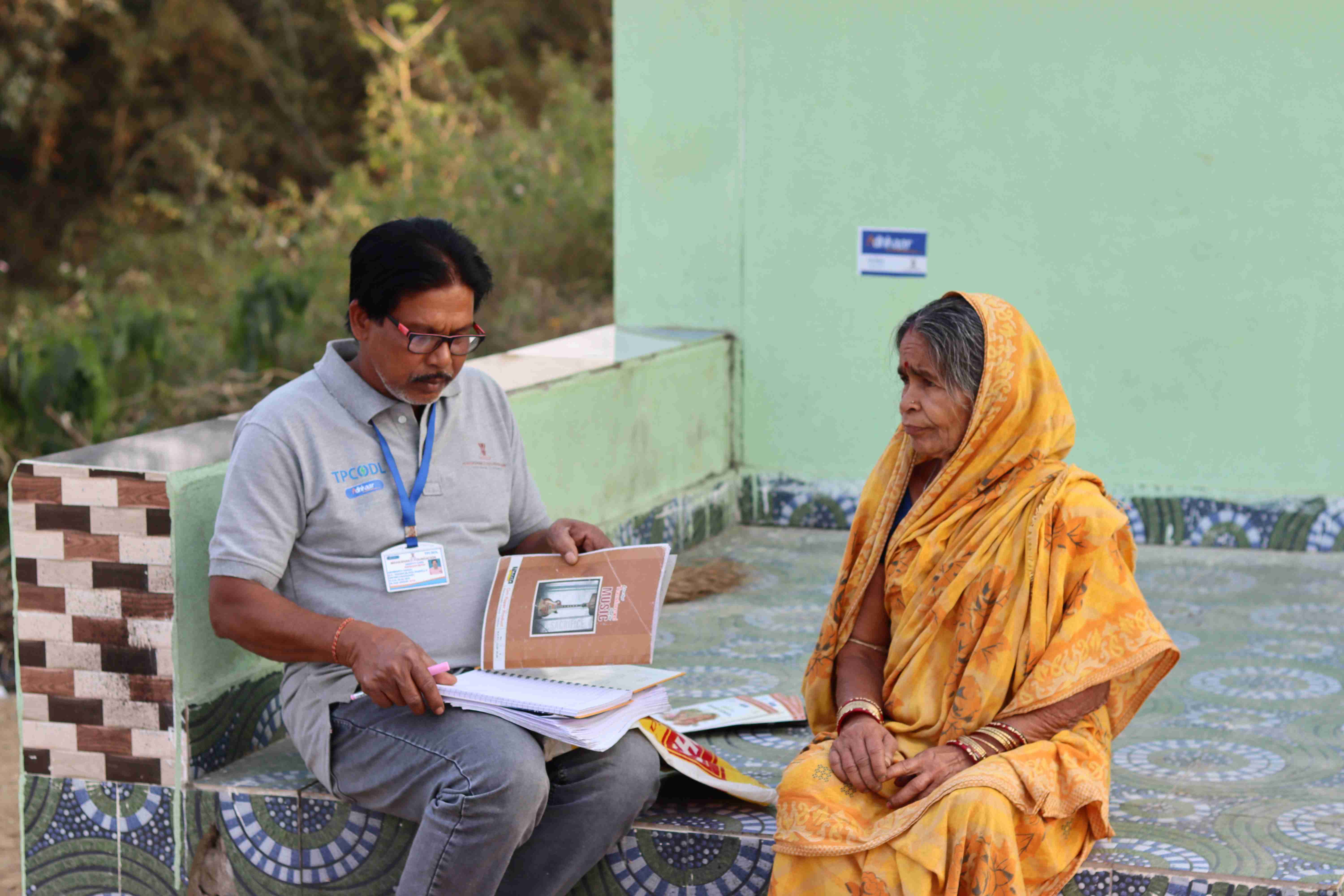
Adhikaar service centre in operation

Built to last: the Daspalla Adhikaar Centre has been upgraded to a government-recognised Jana Seva Kendra; the Kankadahada centre is now a recognised Common Service Centre — both will keep serving communities after our involvement ends.

"This simple yet life-changing intervention has brought a new sense of dignity and independence. More importantly, it has restored an entire village's faith in the effectiveness of government welfare schemes."

Project Adhikaar — on securing a disability tricycle for Prashant Nayak, Sariganda village

Project Adhikaar: reach across both aspirational blocks

Difference

We don't run awareness campaigns. We build government-integrated service infrastructure staffed by the community itself — and both our centres have already transitioned into officially recognised government service points.

4

Climate-Smart Livelihood Models

Adaptive agriculture, water conservation, organic farming and millet revival for a resilient rural Odisha

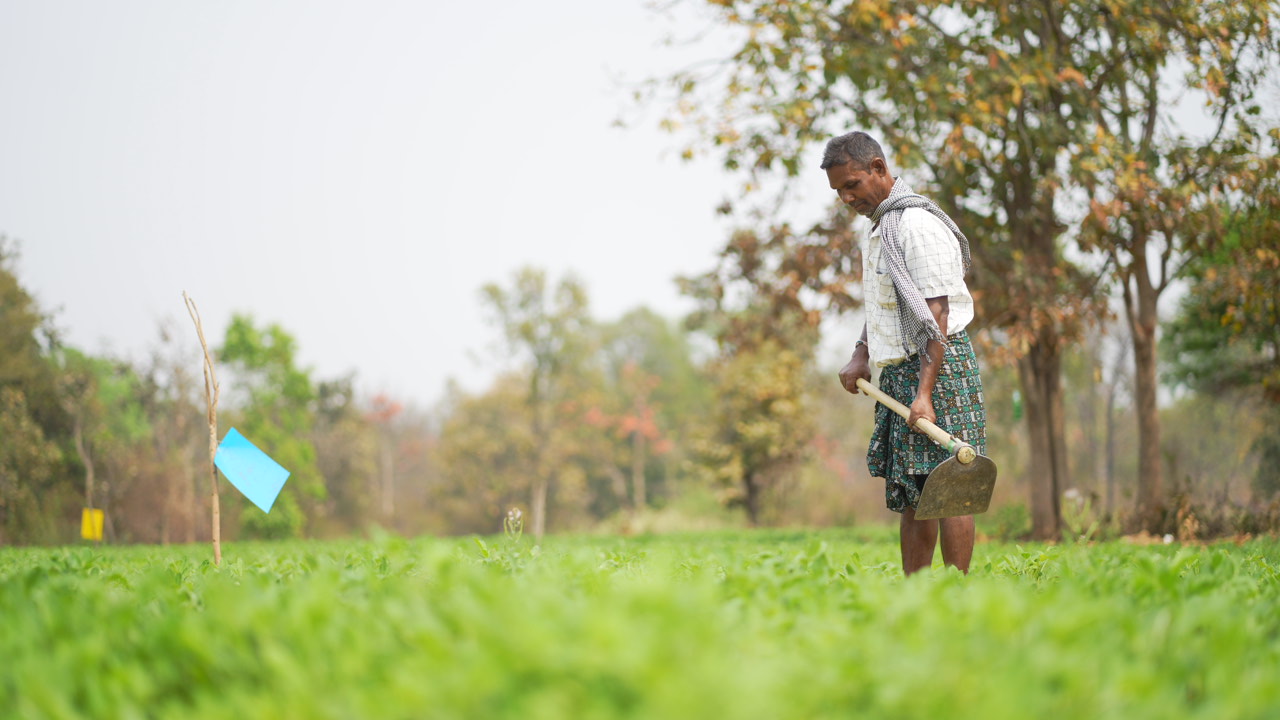
Climate adaptation, one field at a time A farmer tends a demonstration plot — the same field-level discipline behind 448 tons of CO₂e avoided every season.
1,522+
Acres under AWD irrigation
448t
CO₂e reduced (Bargarh/season)
1,125
Millet farmers in Bijepur
₹1.74Cr
Ragi sales revenue, farmers

Alternate Wetting & Drying (AWD)

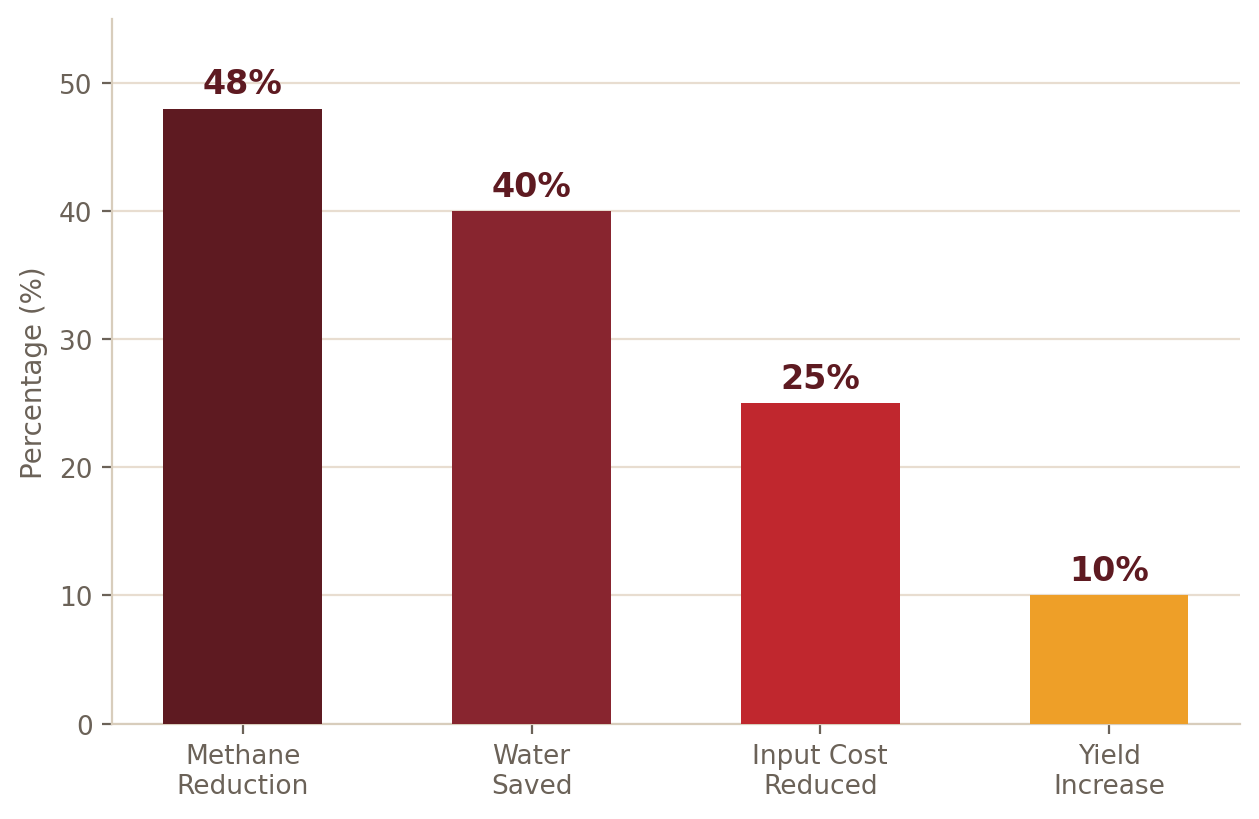
Paddy covers 60%+ of cultivable land in Bargarh. Continuous flooding wastes water and generates methane — 25× more potent than CO₂. AWD's controlled wet-dry cycles cut water use by 30–40% and methane by 48%, while raising yield 5–10%.

In Bargarh: 1,002 PVC monitoring pipes across 1,022 acres reduced emissions by 448 tons of CO₂e per season — verified through 32 methane gas samples. Across our IVDP sites, 500+ additional acres are under AWD.

AWD water-level monitoring in a paddy field
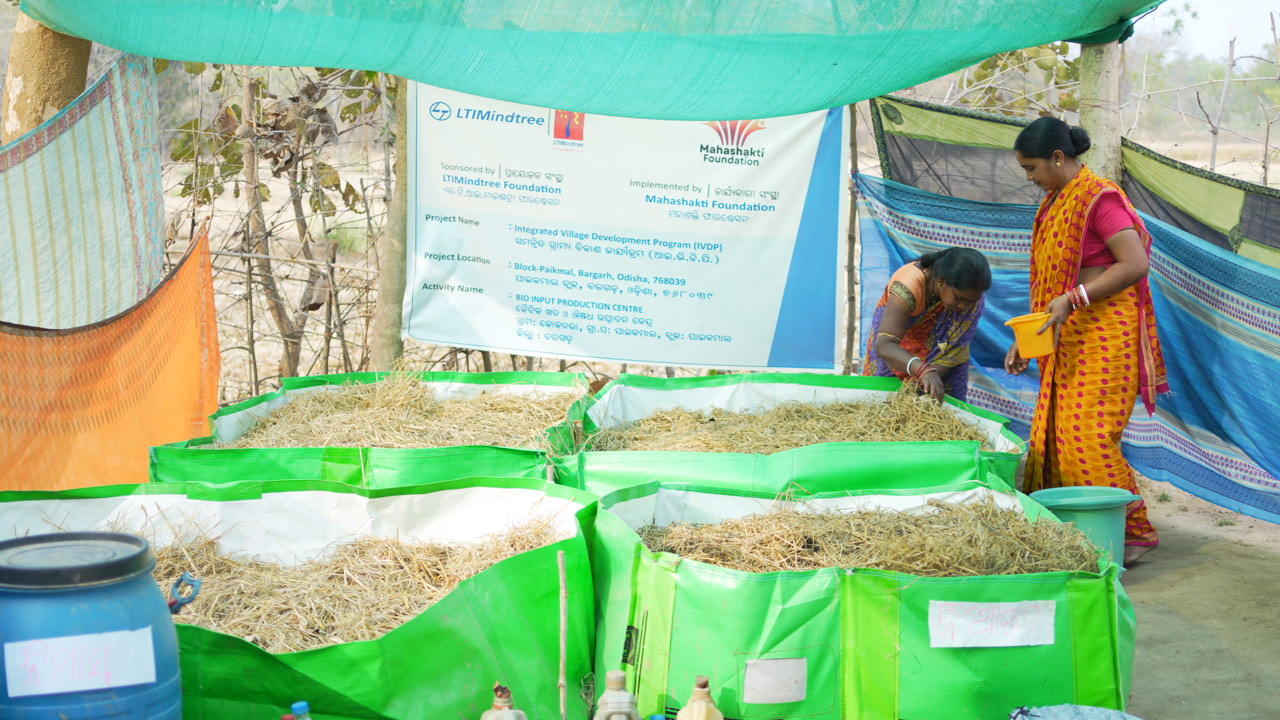
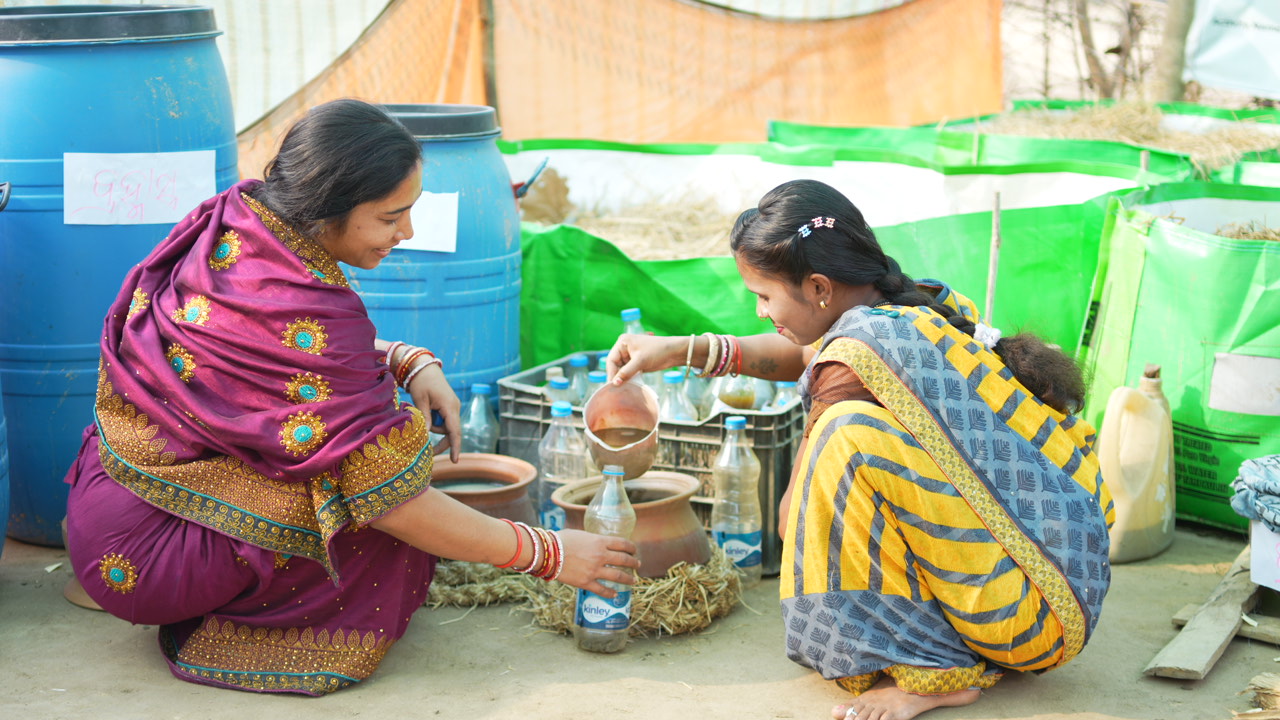
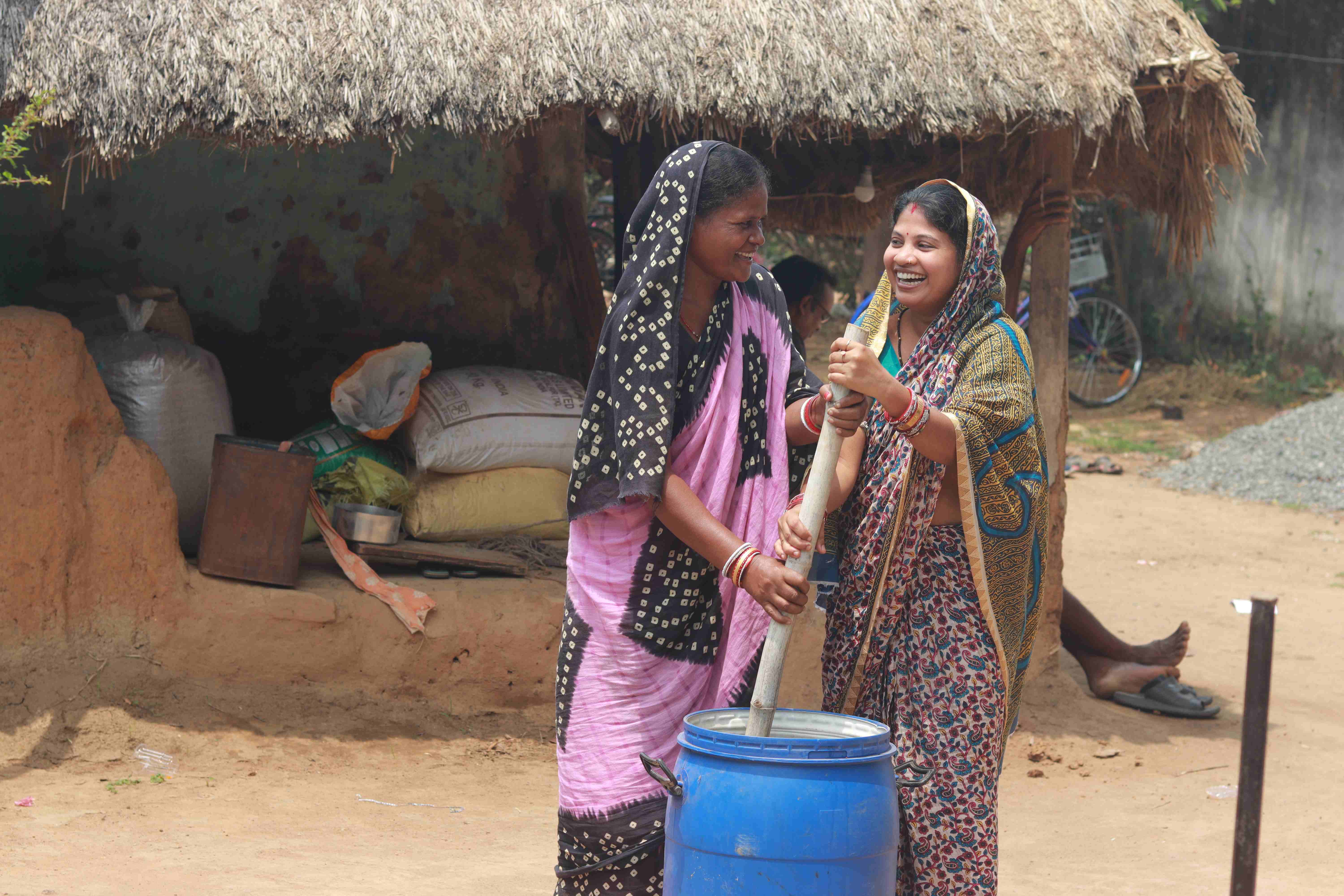
Organic bio-input preparation, SHG-led
SHG members at a village enterprise unit

Shree Anna Abhiyan — millet revival

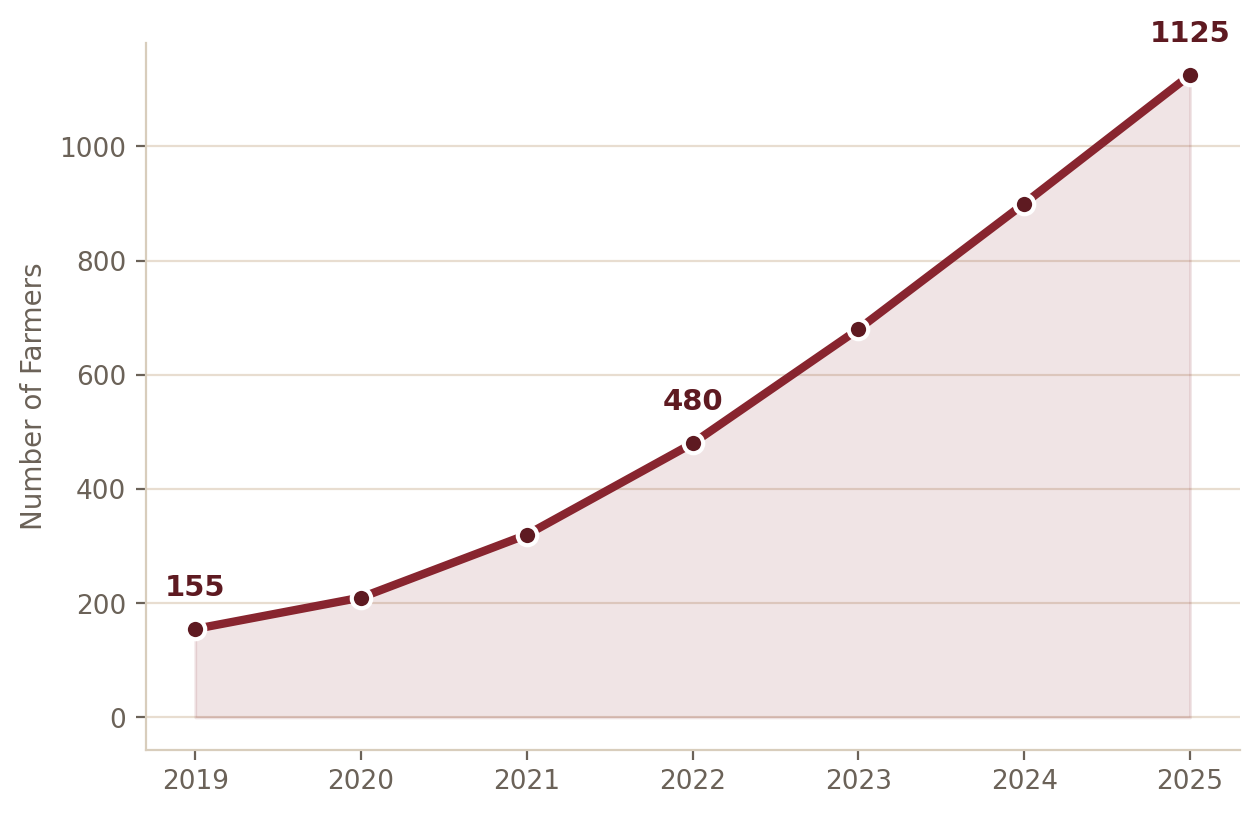
Millets need 70% less water than paddy and grow on degraded land. As the facilitating NGO for Bijepur Block, we grew the millet farmer base from 155 in 2019 to 1,125 in 2025. In 2025–26: ₹1.74 crore in ragi sales and ₹65 lakh in incentives, paid within 72 hours by direct transfer.

Beyond the farm: 150 vermicompost units, 400 Azolla structures, and Bhu Parikshak soil testing for 800–1,005 farmers per site — cutting fertiliser use by 25% while restoring soil health.

AWD impact metrics

Millet farmers in Bijepur, 2019–2025

"After switching to organic farming, I realized that natural methods make the soil richer and healthier. I want to spread this awareness as much as possible."

Farmer, TPWODL Climate Resilient Agriculture Programme, Bargarh
Difference

Climate adaptation isn't a separate programme for us — it's embedded in every agricultural intervention we run, and we verify it: methane sampling, soil testing, yield tracking, income data, every season.

See the full picture in our Annual Report

Every number on this page is drawn from our 2025–26 Annual Report, audited and published for full transparency.

View Annual Reports →
Go To Top